
Interview on Food Expiration Date Labelling

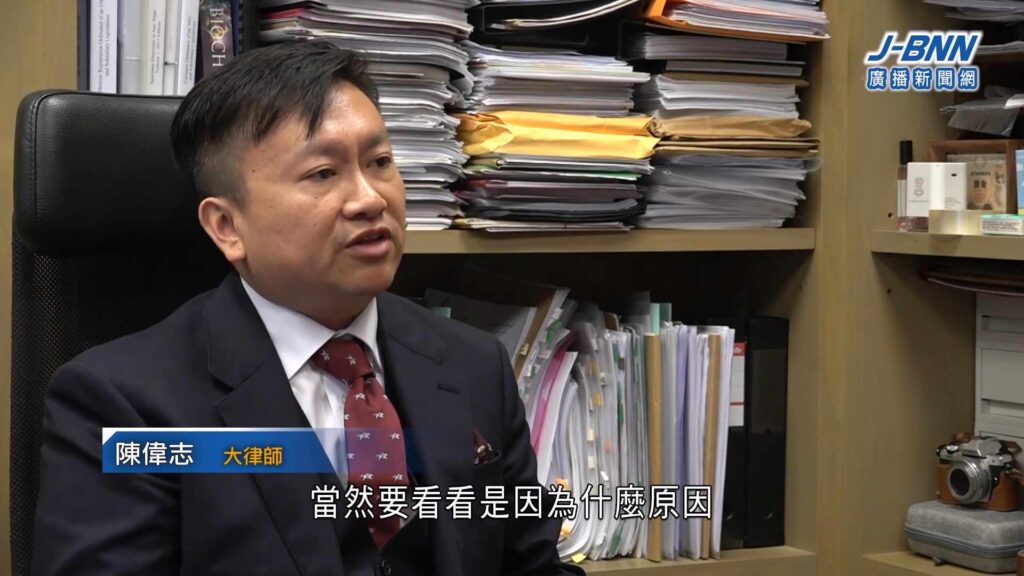
Labelling rules and food safety are distinct offences. In an interview with Broadcast News Network, Mr Gordon Chan discussed Hong Kong’s framework on prepackaged food labelling and consumer protection.

In an interview with Broadcast News Network, Mr Gordon Chan discussed Hong Kong’s legal framework on consumer protection in food and the labelling requirement for expiration dates. 

How prepackaged food is labelled and whether it is safe to eat are separate matters, enforced by different offences.

Schedule 3 of the Food and Drugs (Composition and Labelling) Regulations (Cap 132W) requires either a “Use By” or “Best Before” date. A “Use By” date applies to food that is highly perishable microbiologically and likely to become an immediate hazard to health after a short period. Where no such risk exists, a “Best Before” date may be used. Selling food after the “Use By” date shown on the label is itself an offence under regulation 5(1A) of Cap 132W, carrying a maximum level 5 fine ($50,000) and six months’ imprisonment.

Separately, and regardless of any date label, section 54 of the Public Health and Municipal Services Ordinance (Cap 132) makes it an offence to sell food intended for, but unfit for, human consumption.

Selling food past its Best Before date can reduce waste. Any such sale must still leave the food fit for human consumption; spoilt food remains a public health offence under section 54.

“Use By” is a hard stop under the labelling rules. “Best Before” is about quality. Post-date sale is lawful only if the food remains fit for consumption.

Interview on Food Expiration Date Labelling

Gordon Chan avatar
Gordon Chan, Esq

Barrister-at-law, Archbold Hong Kong Editor on Public Health, and Member of the Bar Association's Committee on Criminal Law and Procedure. Specialised in medical, technology and criminal law.


Scroll to top